Can Lime Eliminate Weeds? Here's What You Need to Know
Lime isn't a herbicide, so it won't directly kill weeds. However, when applied correctly, it can enhance turf health and help grass outcompete weeds.
By Toby Gray

Lime is not a herbicide, so its main purpose is not to kill weeds. Nevertheless, certain liming materials can boost your lawn's health and, by doing so, help it to naturally suppress weeds. It's essential to confirm that your soil actually requires lime before applying it; otherwise, you might weaken your lawn and make it more vulnerable to weed infestations.
Types of Lime
Several materials can be used to lime your lawn, some of which are best handled by professionals with proper safety equipment. For homeowners, dolomitic and ground limestone are safe options that gradually alter soil pH (dolomitic lime also supplies magnesium). Both are usually applied at 50 lbs. per 1,000 square feet. Pelletized limestone, though more costly than other types, is easy to spread and acts quickly. It is applied at the same rate as dolomitic and ground limestone.
Burned (slaked) and hydrated lime are more dangerous and, while fast-acting, are more difficult to apply than other types. They must be used at a much lower rate, typically 10 to 20 lbs. per 1,000 square feet.
Benefits of Using Lime
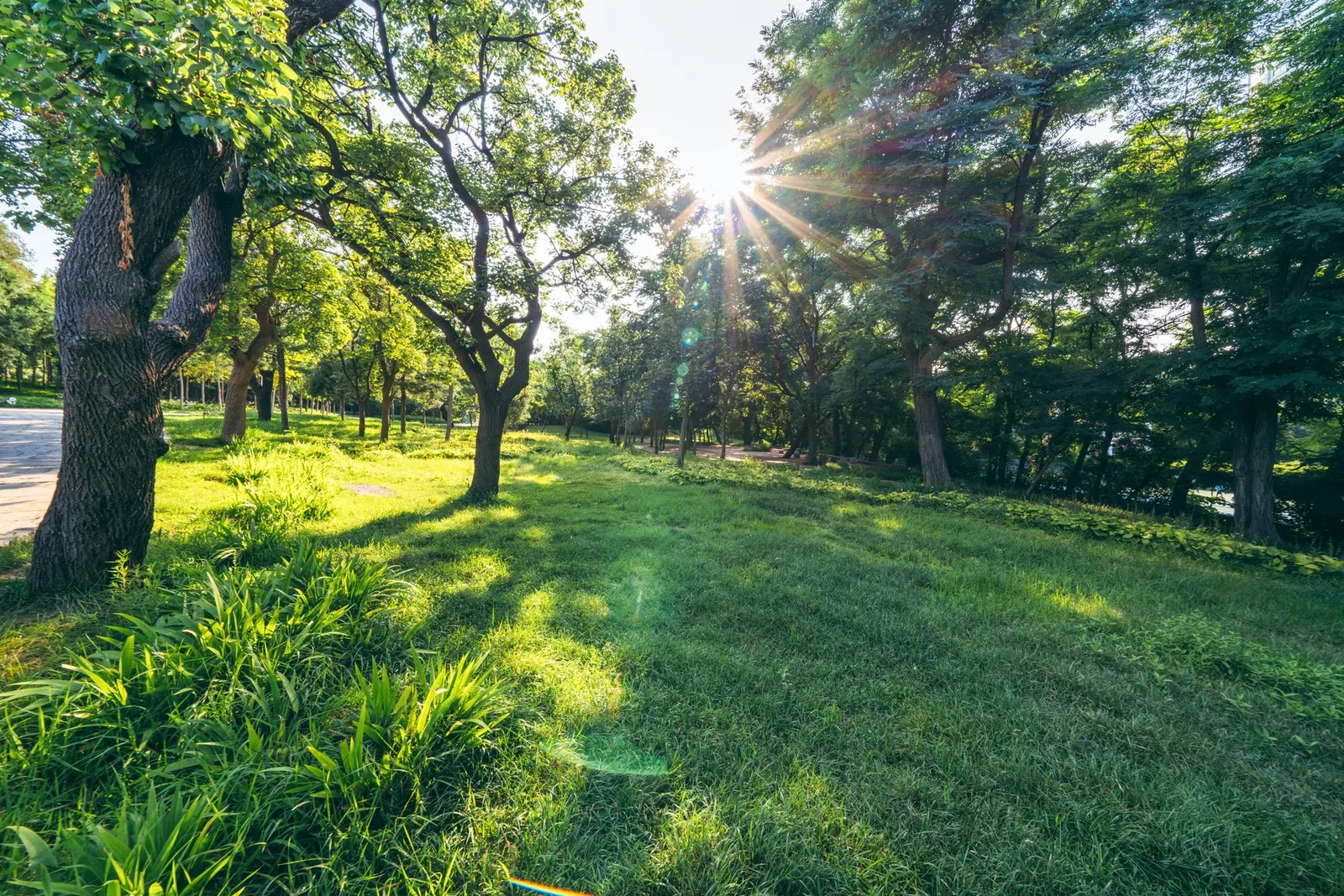
Lime raises soil pH and can enhance the health and quality of your lawn. Lawns with a pH below 6.0 are considered very acidic and can benefit from liming. Acidic soils often lack nutrients that grass needs, including nitrogen, calcium, potassium, phosphorus, sulfur, and magnesium. When a lawn lacks nutrients, it fades in color, its growth rate decreases, and it is more easily damaged by hot temperatures, drought, and foot traffic. A weakened lawn is much more susceptible to weed problems.
While liming does not kill weeds, it improves your lawn's health by increasing nutrient availability, which can help it maintain strength and fend off weeds on its own.
Applying Lime to Kill Weeds
Before you decide that your lawn needs lime, to compete effectively against weeds, have your local county extension office perform a pH test on your soil; make sure to get a copy of the soil test report, as this will indicate how much lime your lawn needs. If the soil pH is 5.5 or below, add a liming agent at the rate suggested by the soil test report. A single application will be fine if the recommended rate of application is 50 pounds per 1000 square feet or less; if it's higher (meaning your soil is more acidic) you'll need to use multiple applications at least six months apart.
Lime can be applied at any time except when the grass is frosted or wilted. Use a drop or spinner spreader, fill it with lime and spread one application in one direction and crisscross this with a second application to ensure even coverage. If you use ground limestone, it is best to apply it at the end of summer or beginning of fall. Once you've achieved your target pH, most lawns will only need an application of lime once every few years.
When Applying Lime is Appropriate
It is crucial to remember that liming is not necessary for all lawns. Liming a lawn that is already acidic or over-liming can create alkaline soil that lacks necessary nutrients, thus increasing the potential for weeds. For the best results, have an expert perform a soil test rather than doing it on your own so you use the correct amount of lime for your soil.

Remember, using lime to kill weeds is not a direct process like applying a herbicide. Instead of a rapid die-off, you'll see your lawn's grass gradually reassert itself and out-compete the weeds. You can encourage this through other good cultural practices, including frequent mowing and appropriate levels of fertilization.