Raspberry Varieties Suited to Texas Growing Conditions
Despite challenging heat and varied soils, Texas gardeners can grow raspberries by selecting adapted cultivars and amending planting sites. This guide covers soil preparation, climate considerations, and specific varieties for different regions of the state.
By Casey Campbell
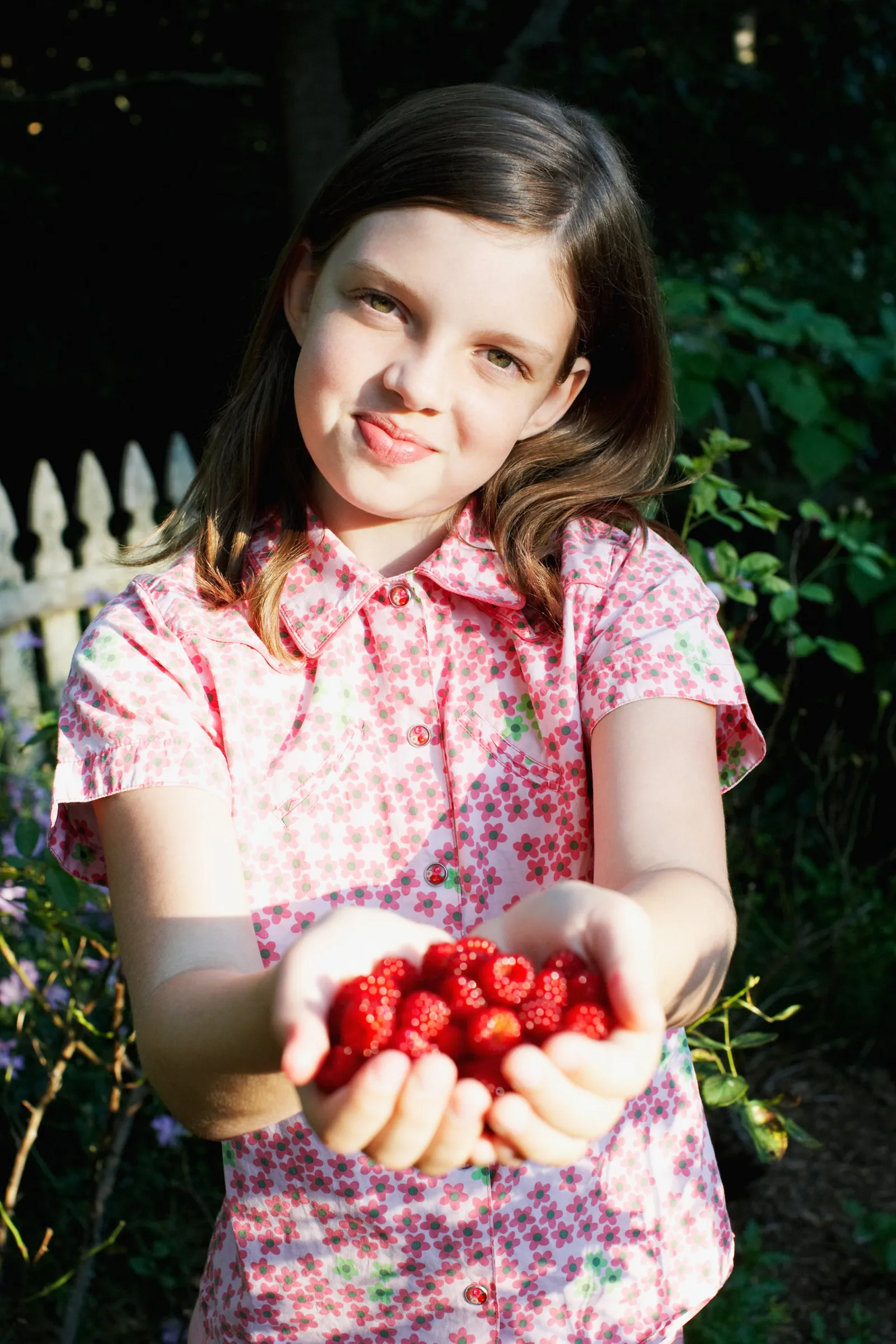
Freshly picked raspberries evoke summer family memories.
Raspberries are valued for their versatility: they turn breakfast cereal into a treat, add sophistication to chocolate mousse, and are delicious eaten straight from the plant. Although summer heat often discourages Texas gardeners from cultivating raspberries, it need not stop adventurous growers from producing this tasty fruit. The main obstacles to raspberry growing in Texas are climate and soil variability, but careful selection of plants and planting sites can overcome these issues.
Soil Modifications
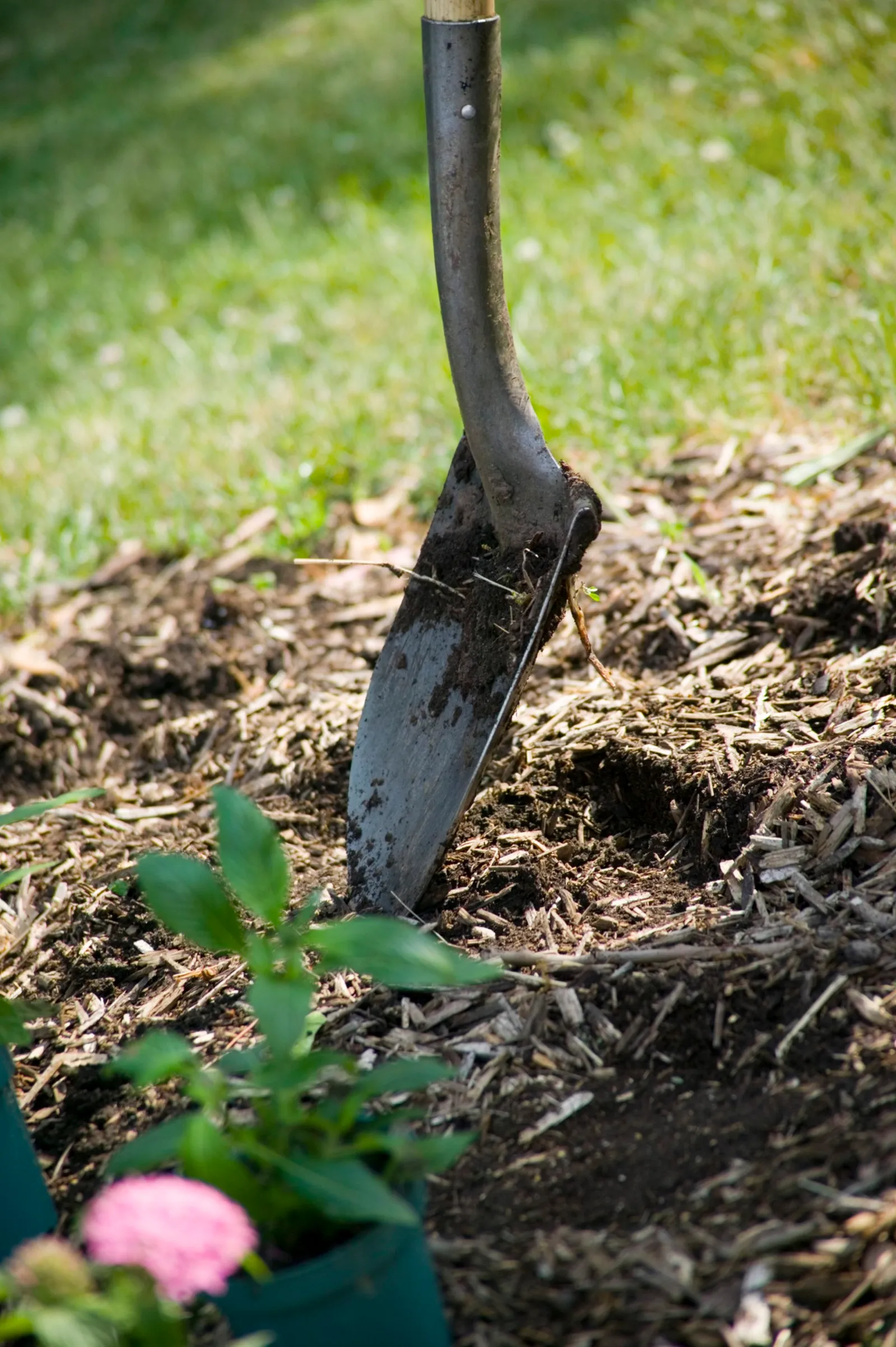
Plan to amend soil with organic compost and mulch before planting raspberries.
Raspberries grow best in rich, organic, well-drained, moist soil, but ideal conditions are rare in Texas. The state’s diverse soils require creative gardening and soil modification. Adding organic compost improves aeration, drainage, and water-holding capacity. Applying 3 to 4 inches of mulch protects the soil surface, reduces water loss, and moderates soil temperature fluctuations. The soil should be slightly acidic with a pH between 5.5 and 6.5 and well-drained. Consider providing afternoon shade, for example by planting near a well-placed pecan tree.
Texas Climate Diversity
Climate conditions are even more varied than soil types. In the Texas Panhandle, Amarillo has January temperatures averaging a low of 23°F and a high of 51°F, and July averages a low of 65°F and a high of 92°F. Houston, near the Gulf of Mexico, averages a January low of 45°F and high of 63°F, and an August low of 76°F and high of 93°F. The Panhandle experiences cold, strong winter storms as well as intense summer heat and drought, while southern coastal areas endure humid, rotting summers with periodic heavy rains. Interior areas are hot from March through October with unpredictable weather. USDA plant hardiness zones in the state range from 6a to 10a.
Best Texas Cultivar
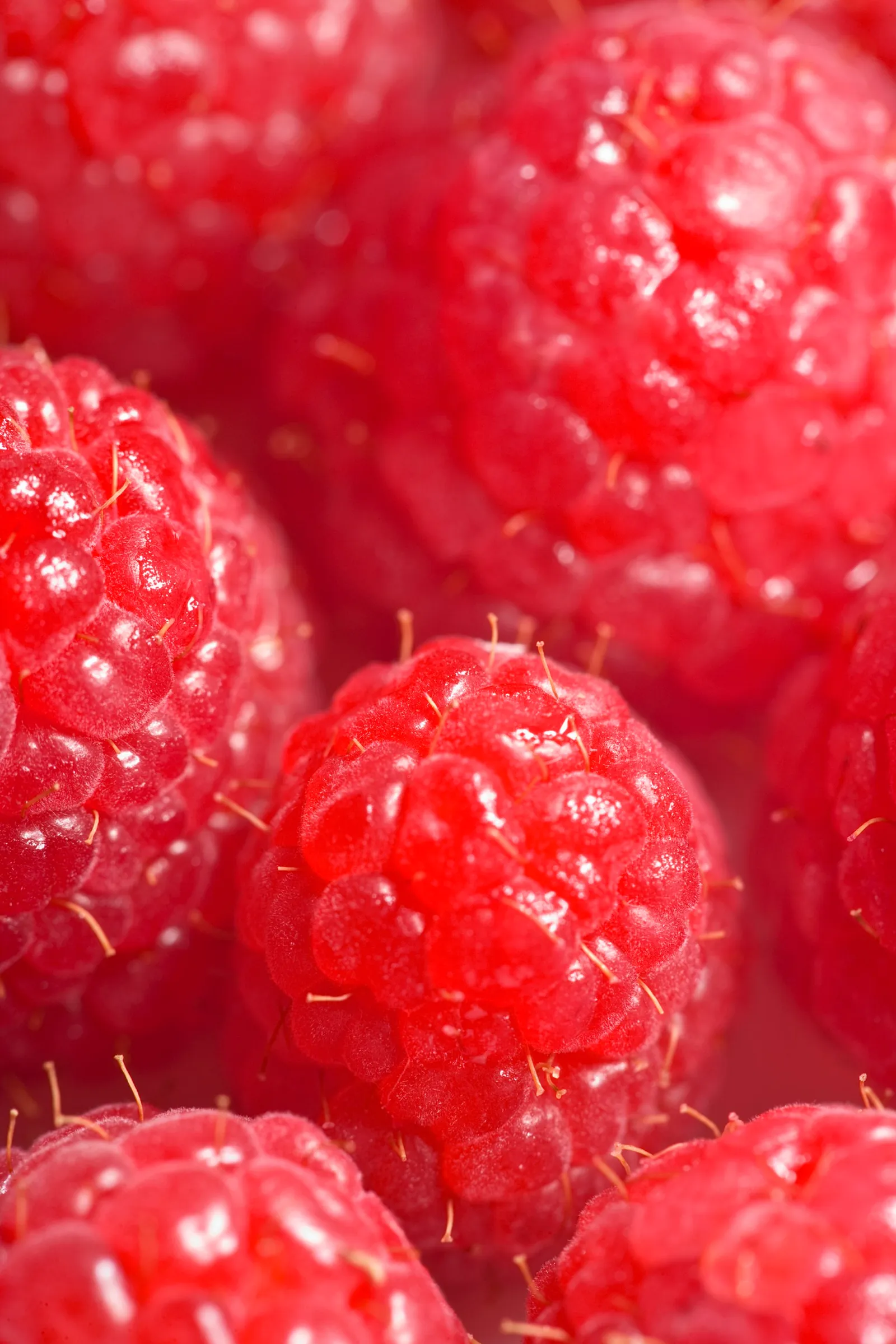
"Dorman Red" raspberries yield slightly fuzzy berries about the size of a nickel.
"Dorman Red" raspberry (Rubus idaeus "Dorman Red") is the top cultivar for Texas, but it requires attention. This self-pollinating plant produces large, firm, somewhat fuzzy, sweet red berries. Suppliers claim it grows in USDA zones 4 through 8, though gardeners in Houston (zone 9) report success with careful site preparation. In thin-soiled areas of the Panhandle or the rocky Hill Country west of Austin and San Antonio, raised beds offer growing advantages. Sandy acidic soil is considered ideal. "Dorman Red," developed at Mississippi State University, is described as heat-, drought-, and disease-resistant. If you hope to harvest several baskets of raspberries from your Texas garden, follow Doug Welsh's advice in the "Texas Garden Almanac": "Dorman Red" is the only reliable raspberry in Texas heat.
Cultivars for Texas USDA Zones 6 to 8
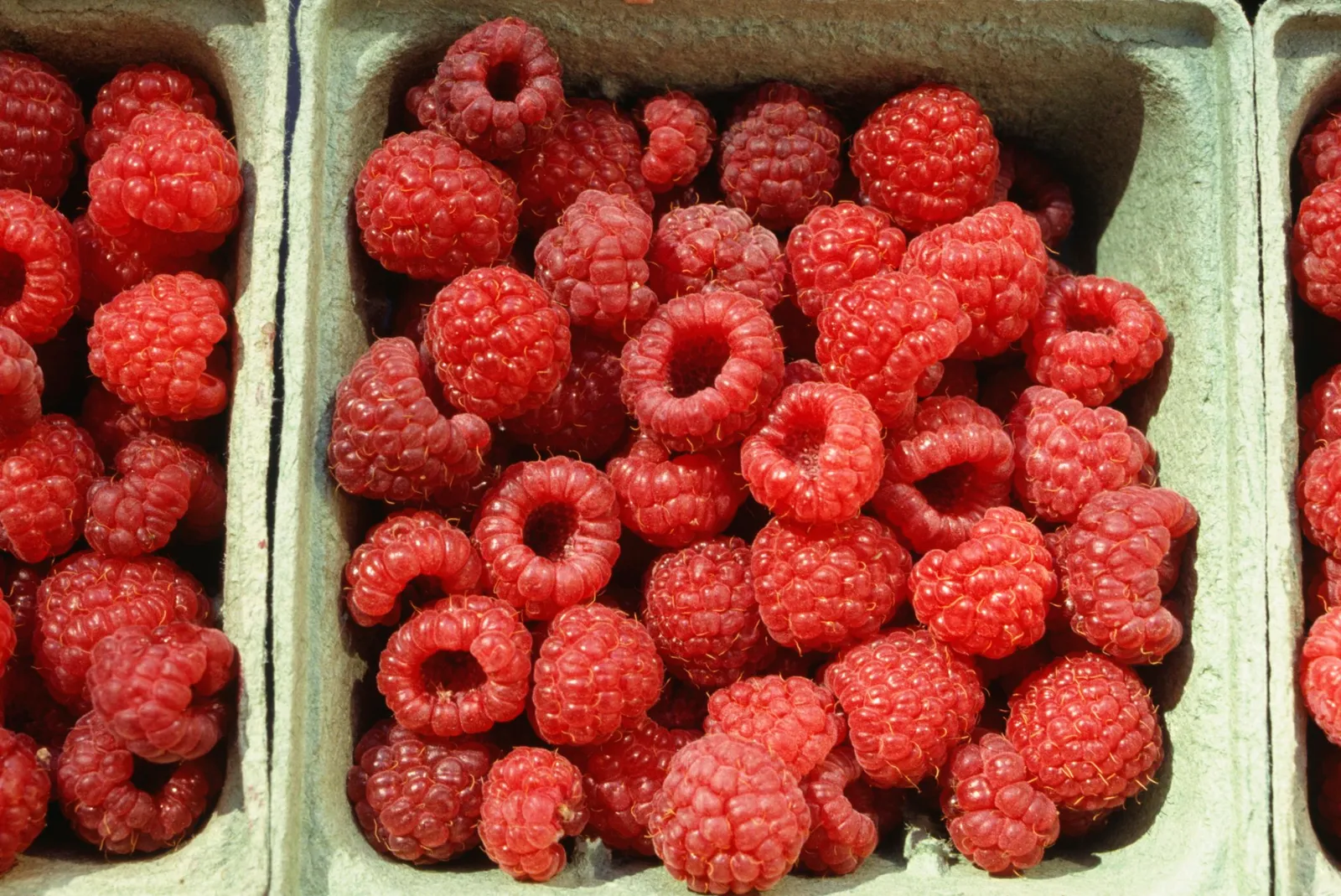
Bababerry produces large, soft fruits in late summer or early fall.
Gardeners who miss the flavor of homegrown raspberries often satisfy their cravings by substituting blackberries. However, some raspberry cultivars are suitable for northern portions of Texas. "Oregon 1030" (Rubus idaeus "Oregon 1030") is best suited to USDA zones 6 to 8. "Southern Bababerry" (Rubus idaeus "Southern Bababerry") requires care during seasonal temperature and moisture fluctuations and is best grown in zones 6 to 8. It benefits from afternoon shade and raised beds with well-drained soil. "Sumner" (Rubus idaeus "Sumner") is occasionally recommended for Texas USDA zones 6 to 8, but this plant tends to rot in summer heat regardless of whether the year is arid or humid. Cultivars "Autumn Bliss" (Rubus idaeus "Autumn Bliss") and "Heritage" (Rubus idaeus "Heritage") both produce in north Texas. Both require full sun, although in zone 8 light afternoon shade is advised.
Worthy Cultivar for South Texas
"Caroline" everbearing (Rubus idaeus "Caroline") is a commonly grown Florida cultivar that thrives in USDA zones 5 to 9. It is sweeter than "Dorman Red" and handles Florida heat and humidity easily, and it can be grown in south Texas. Florida soils are sandier than Texas soils and need modification, as the combination of heat and humidity in Florida is insignificantly different from the Texas Gulf Coast climate.