Using a String Trimmer to Tackle Small Grass Areas
String trimmers can handle small patches of grass and are a practical alternative to a lawn mower for limited spaces; take proper safety measures and follow the guidelines to get the job done efficiently.
By Robin Green
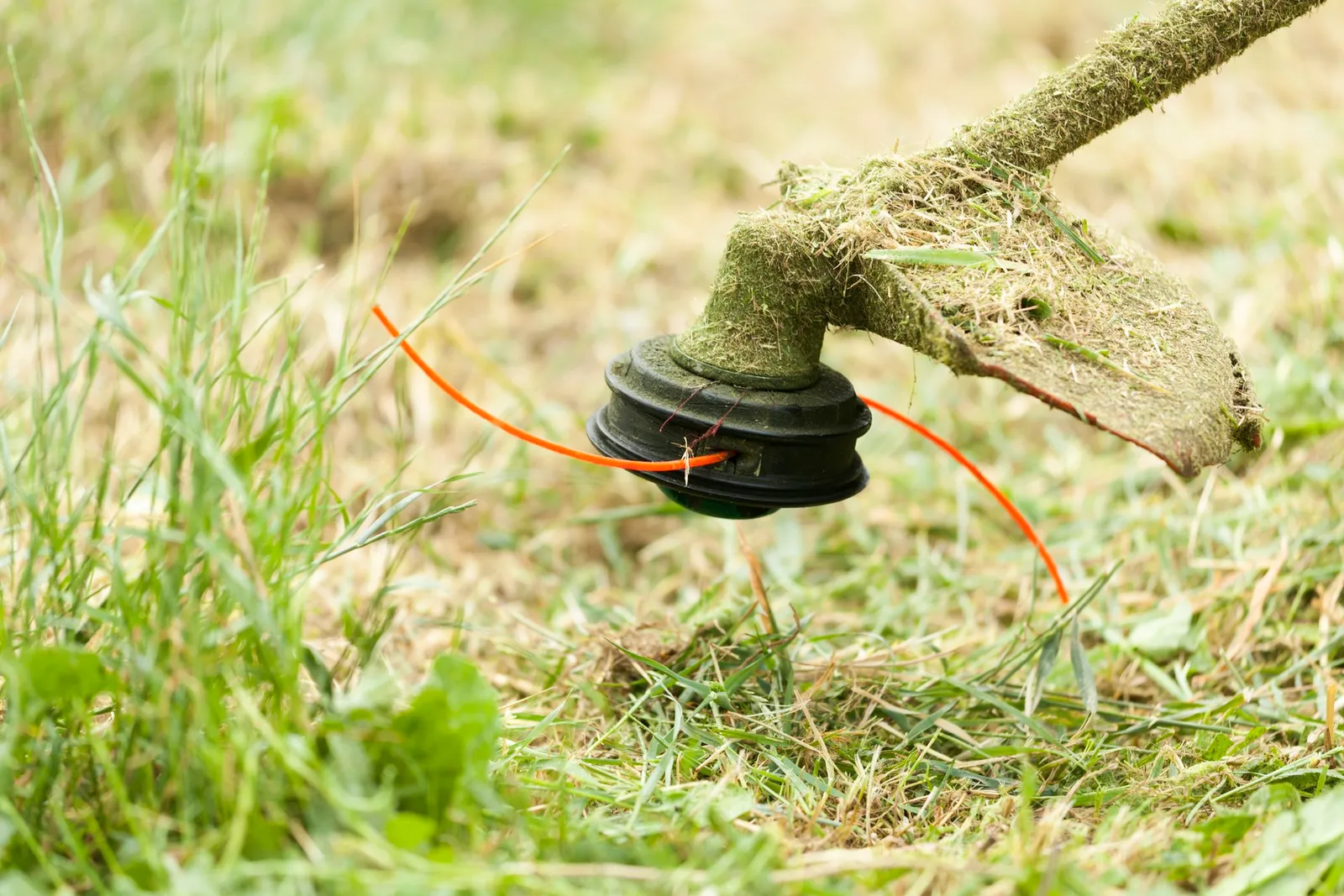
When a lawn mower isn’t available, a string trimmer can step in.
String trimmers—commonly known as weed whackers—rank among the most frequently used implements for cutting grass and weeds. Provided that appropriate safety steps are followed and the operator instructions are observed, these tools can make quick work of yard tasks. Numerous homeowners choose string trimmers over lawn mowers for smaller yards.
String Trimmers for Compact Yards
Although a string trimmer cannot handle mowing an entire large lawn, it performs well when grass needs to be cut in limited amounts. The name “string trimmer” comes from the nylon lines wound onto reels that do the cutting. The engine rotates the reel, and the line extends horizontally as the operator swings the tool from side to side. Most string trimmers feature automatic feeds, which makes them considerably easier to operate.
String trimmers also excel on slopes and rocky areas. Before starting, clear the area to be mowed of large branches, rocks, or other loose debris. If not removed, dirt, soil, or even small rocks might be thrown into the air and strike people or objects. Certain models are intended for both grass edges and grass patches, so consult the manual first.
Guidance for Operating String Trimmers
Keep the handle of the trimmer close against your hip and confirm that it is at the correct height. Hold the tool level with the ground and use brief swinging motions to make passes over the grass. Overlap the passes as necessary. After achieving an even length, switch off the trimmer. Rake up the cut grass and put the trimmer away until it is needed again.
Be aware that string trimmers and similar equipment should not be used near tree trunks, because they can slice into the bark and kill the trees. When trimming along flowerbeds, turn the trimmer vertically. If obstacles such as large rocks are present, hold the trimmer head level while you work.
Selecting and Using String Trimmers
For those shopping for a new string trimmer, gas-, electric-, battery-, and propane-powered models are available. Gas versions come with curved or straight shafts, while electric models run more quietly; however, electric versions require dealing with extension cords. A corded tool restricts how far the trimmer can travel and can also make trimming more complicated because the cord may get in the way.
Battery-powered models are quiet and lightweight but deliver less power than gas trimmers. Also note that curved-shaft trimmers suit flower beds, whereas straight-shaft models are better for reaching taller brush.
Safety is paramount when operating string trimmers. Whenever you use this or other yard tools, wear safety goggles (a face visor is even better), gloves, and earplugs to protect yourself. It is also advisable to wear long pants and shoes rather than shorts and sandals. In most spots, cut at an angle so that weeds and grass are thrown in the opposite direction, and keep away from people, vehicles, windows, and anything that might be injured or damaged.