Squirrel-Proofing Your Birdhouse: A Guide to Peaceful Coexistence
Squirrels can be a nuisance for bird enthusiasts, but with proper birdhouse placement and design, you can keep them at bay and maintain a harmonious backyard.
By Robin Morgan
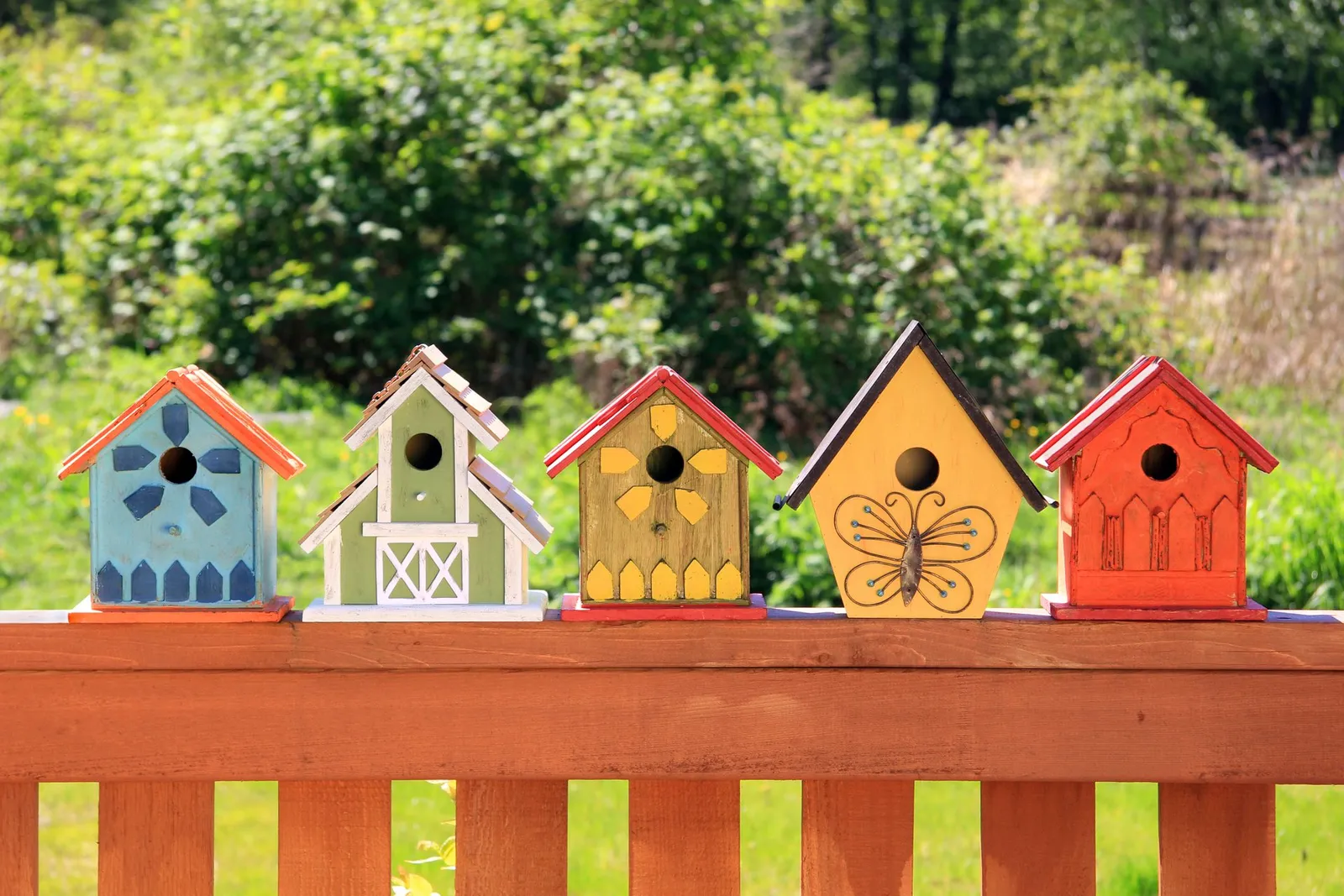
A birdhouse access hole should be the correct size.
Whether you're an avid birder, just starting out, or simply someone who appreciates the lively activity in your backyard, squirrels can disrupt the experience for both you and the birds nesting in your birdhouse or nest box. However, squirrels aren't inherently your adversaries; like all small creatures, they're just seeking food and shelter. Some squirrels, though, view eggs and young birds as a food source. Rather than declaring war, consider ways to coexist peacefully.
Birdhouse Hangups
Squirrels that are used to finding birdseed at a feeder might also check birdhouses for a meal. Just as with a hanging feeder, a birdhouse or nest box placed too low or near anything climbable is easy for a squirrel to reach—they can jump 8 feet sideways, 4 feet straight up, and 15 feet down. Use these jump distances and add an extra foot for safety; hang your nest box far enough from the ground, trees, and fences, and far enough out from its pole or down from its branch to at least foil the furry Olympians' efforts.
Pole Protection
You might assume that placing a birdhouse on a tall pole away from any jump-off points would keep these long-jumping critters at bay, but think again: They're expert climbers, too. They can only climb what they can sink their claws into, however. If you wrap the pole with a disc baffle, sheet metal, an old chimney pipe, polyvinyl chloride pipe, or any smooth, durable material, you'll thwart their climbing ability—and maybe even enjoy the comical show, watching them slide down as they try and try again to access the little house above until they finally give up.
Hole Protection
The birdhouse's entrance hole should be just big enough for the type of bird you want to attract, such as 1 1/4 inch in diameter for a brown-headed pygmy and red-breasted nuthatch or 1 1/8 inch for a chickadee. Although a small hole keeps large birds out, squirrels simply chew away enough wood around the hole to squeeze through; 1 1/2 inches is all the space they need. By fitting the hole's edges with a metal hole guard or reducer, you have more control over what goes in the house and what doesn't.
Squirrel Visitation Rights or Restraining Orders
With a well-planned nest box and enough patience, you should be able to convince squirrels that they aren't welcome. If you resort to feeding them, do so far from the nest box to quell their need for sustenance and possibly halt their attempts at birdhouse "breaking and entering" in search of food or shelter, but understand the problems that come with such kindness. The University of Nebraska–Lincoln Extension explains that encouraging squirrels to visit a yard may lead to them nesting in the accompanying home, where they can destroy insulation and chew on electrical wires. The latter activity may cause a fire. If you plan to feed squirrels, then also supply them with den boxes to help discourage them from turning your home into theirs.