How Monocots and Dicots Differ: A Guide to Their Traits
Flowering plants fall into two main groups—monocots and dicots—each with distinct features in flowers, leaves, roots, and stems, though some exceptions complicate classification.
By Charlie Hill
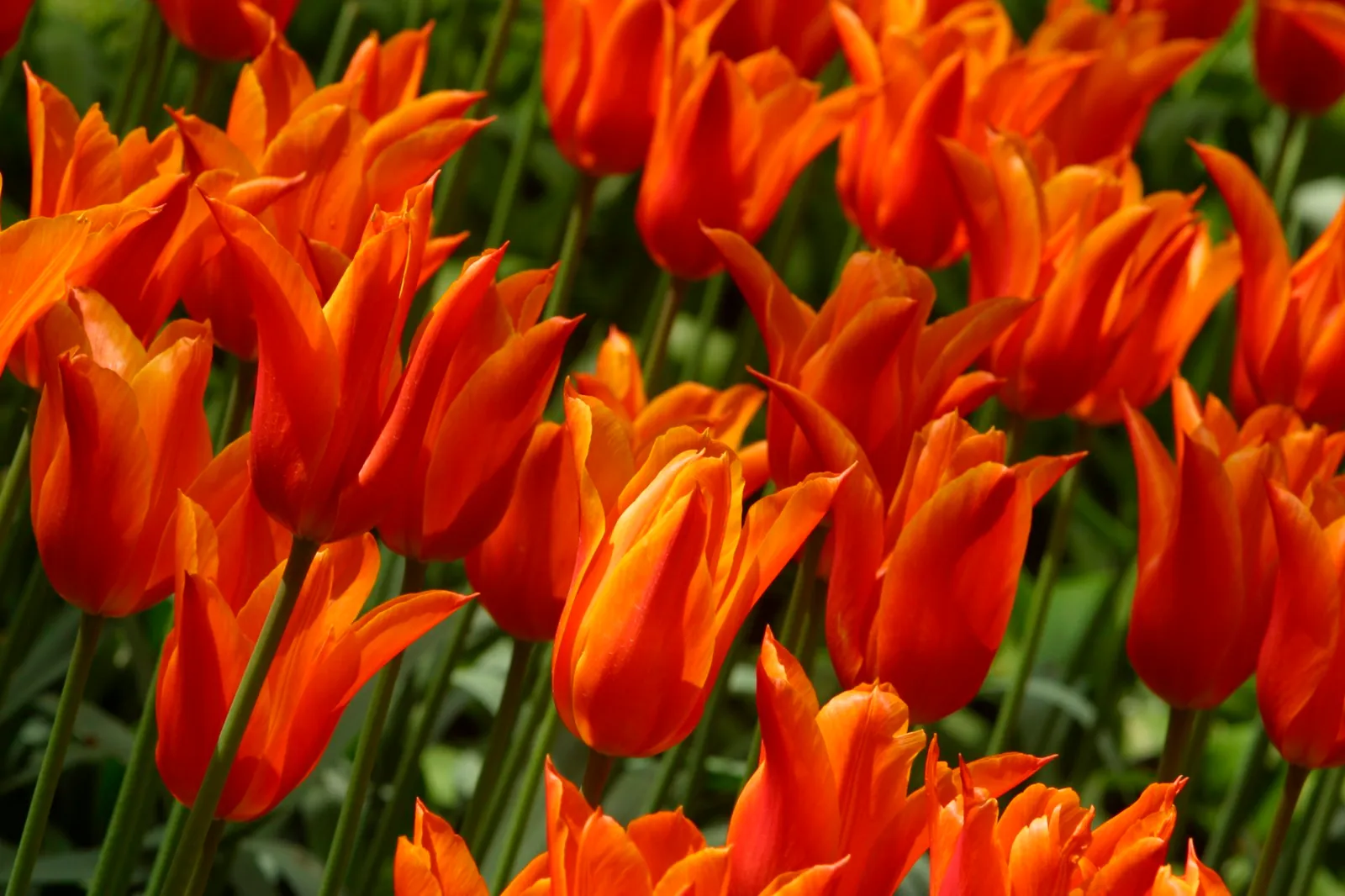
Tulips serve as an example of monocots.
The labels "monocot" and "dicot" come from botany and indicate the number of seed leaves (cotyledons) that an embryonic flowering plant possesses while still inside the seed. An embryo with a single leaf is a monocot; one with two leaves is a dicot. The two groups can be distinguished by four anatomical features: flowers, leaves, roots, and stems.
Monocots and Dicots: The Technical Background
These shortened forms stand for monocotyledons and dicotyledons. The root word is cotyledon, which means seed leaf—a key difference between the two classes. The prefixes mono- and di- mean one and two, respectively, and refer to how many of these leaves the plants produce. There are roughly 65,000 species of monocots and about 170,000 species of dicots.
Shared Traits
Both monocots and dicots belong to the angiosperms, the group of plants that bear flowers. Members of both groups are fertilized by pollen and start life from a seed. They use their leaves for photosynthesis, and in both, roots take up nutrients from the soil and transport them through vascular systems in the stem. However, the arrangement and number of these features vary slightly between monocots and dicots, which is what allows the two subdivisions to be told apart.
Traits of Monocots
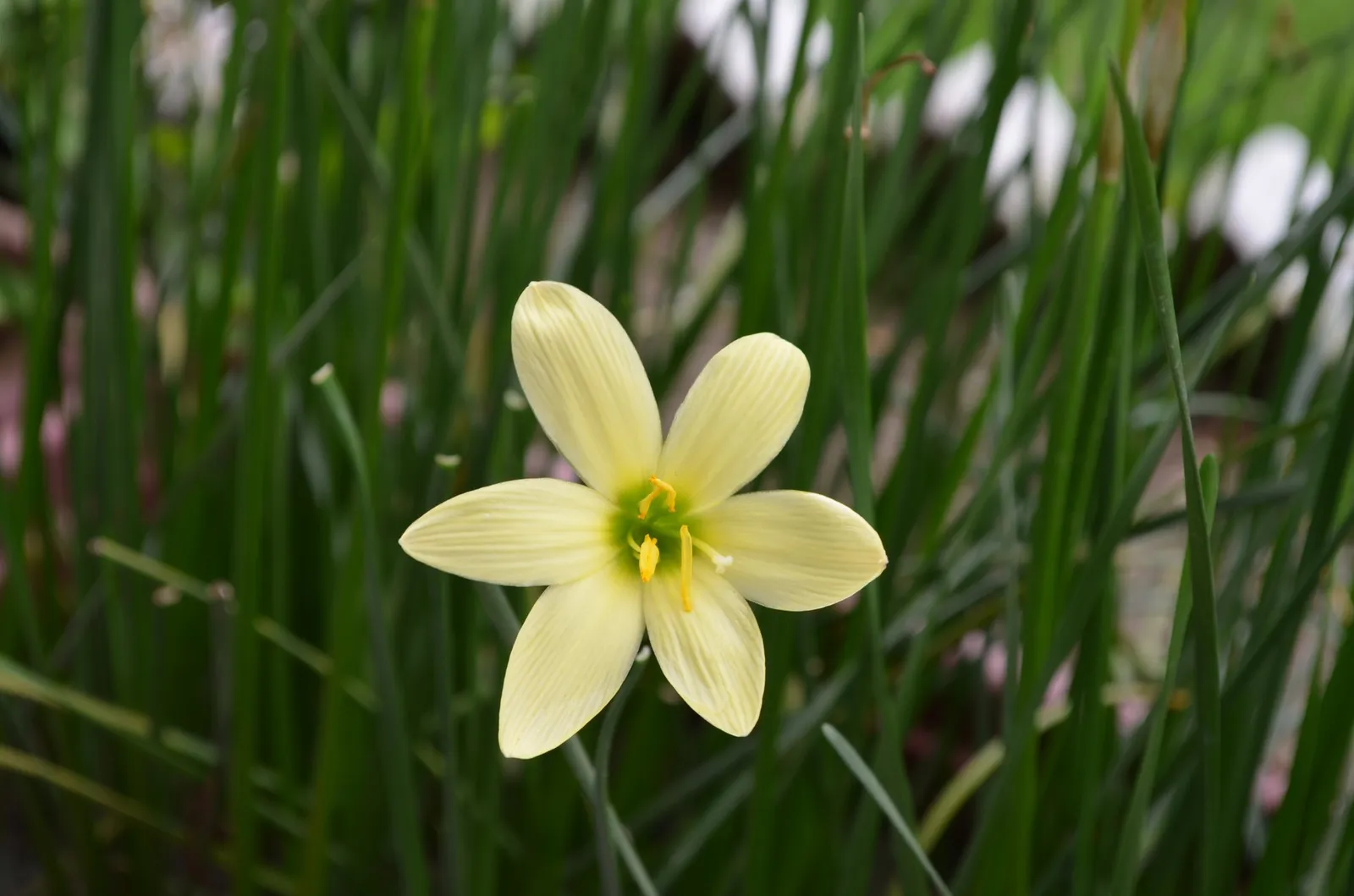
In monocots, the number of flower parts is divisible by three. The lily is one example. Upon germination, a monocot seed gives rise to a single seed leaf, which supplies the plant with its first nutrients. Once monocots grow enough to form additional leaves, those leaves have large veins running parallel to one another—as seen in grasses. These leaves enable the plant to capture energy through photosynthesis. The vascular system inside a monocot stem is not strictly organized. Pollen grains from monocot flowers have one pore or furrow.
Traits of Dicots
Dicot flowers have parts in multiples of four or five. Geraniums are dicots. Dicot seeds produce two seed leaves when they germinate. Mature dicot leaves have many small veins, with smaller veins branching off the main ones; the vein pattern looks irregular and web-like. Most trees have leaves of this type. The vascular system in a dicot stem is structured: vascular tissue forms concentric rings, giving the stem a cylindrical shape. Unlike monocots, dicots can often develop a layer of bark around them. Their pollen grains have three pores or furrows.
When Classification Gets Tricky
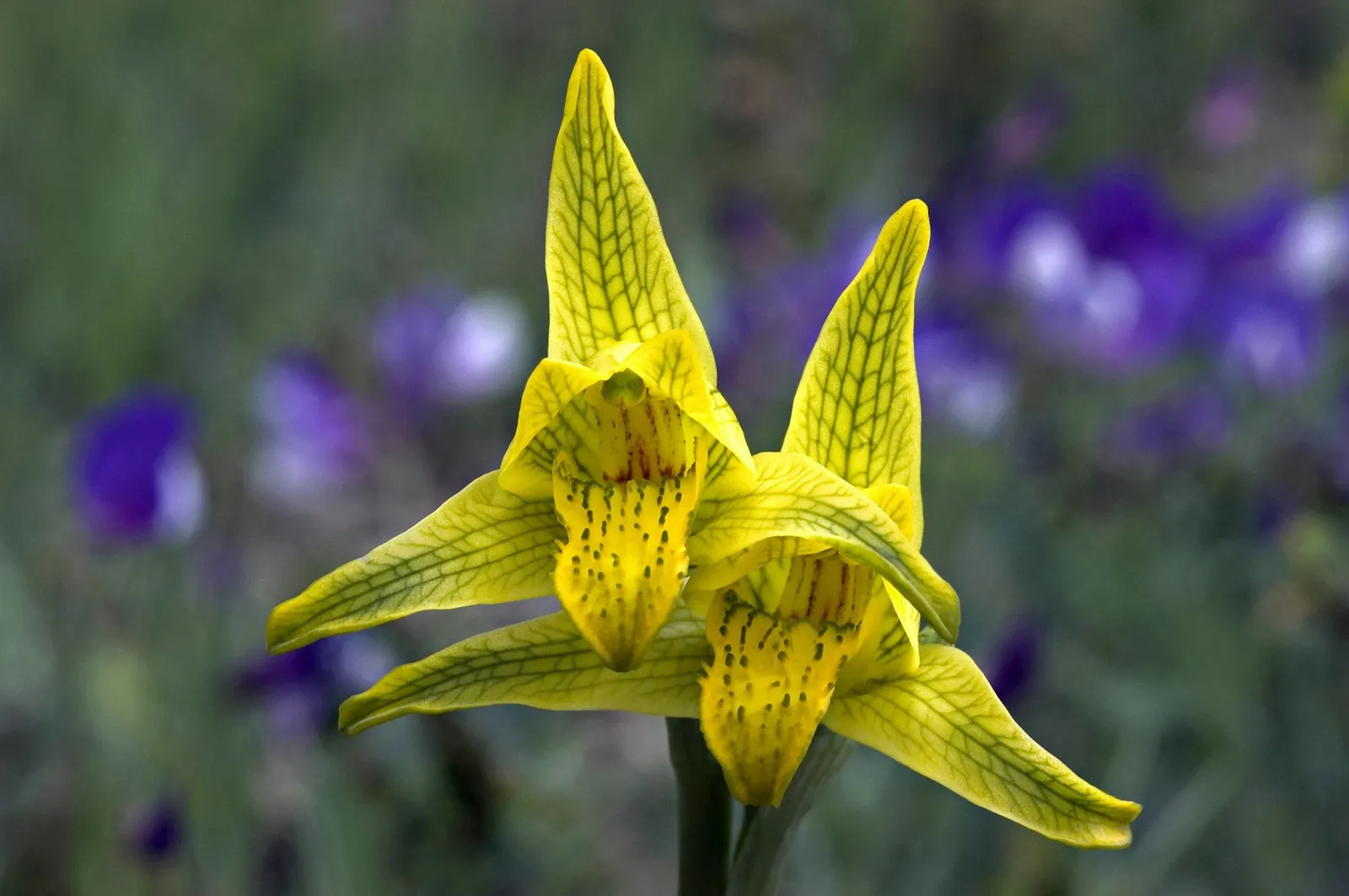
While monocots and dicots can usually be sorted by common features such as flower-part number or leaf vein pattern, exceptions exist. Palms, for instance, are monocots yet can produce a type of bark—a trait normally linked to dicots. Other classification difficulties arise when a feature is hard to observe. For example, some species have flowers with small or translucent petals that are difficult to see when counting flower parts.