Bright Ideas: Ten Easy Lighting Upgrades for Every Room and Outdoor Space
The right illumination can transform how a home looks and functions, while a few common missteps—such as picking the wrong bulbs or pairing clashing fixtures—can throw off an otherwise well-designed space. Designers rely on straightforward techniques involving scale, placement and bulb temperature to make interiors and outdoor areas alike feel welcoming.
By Morgan Williams
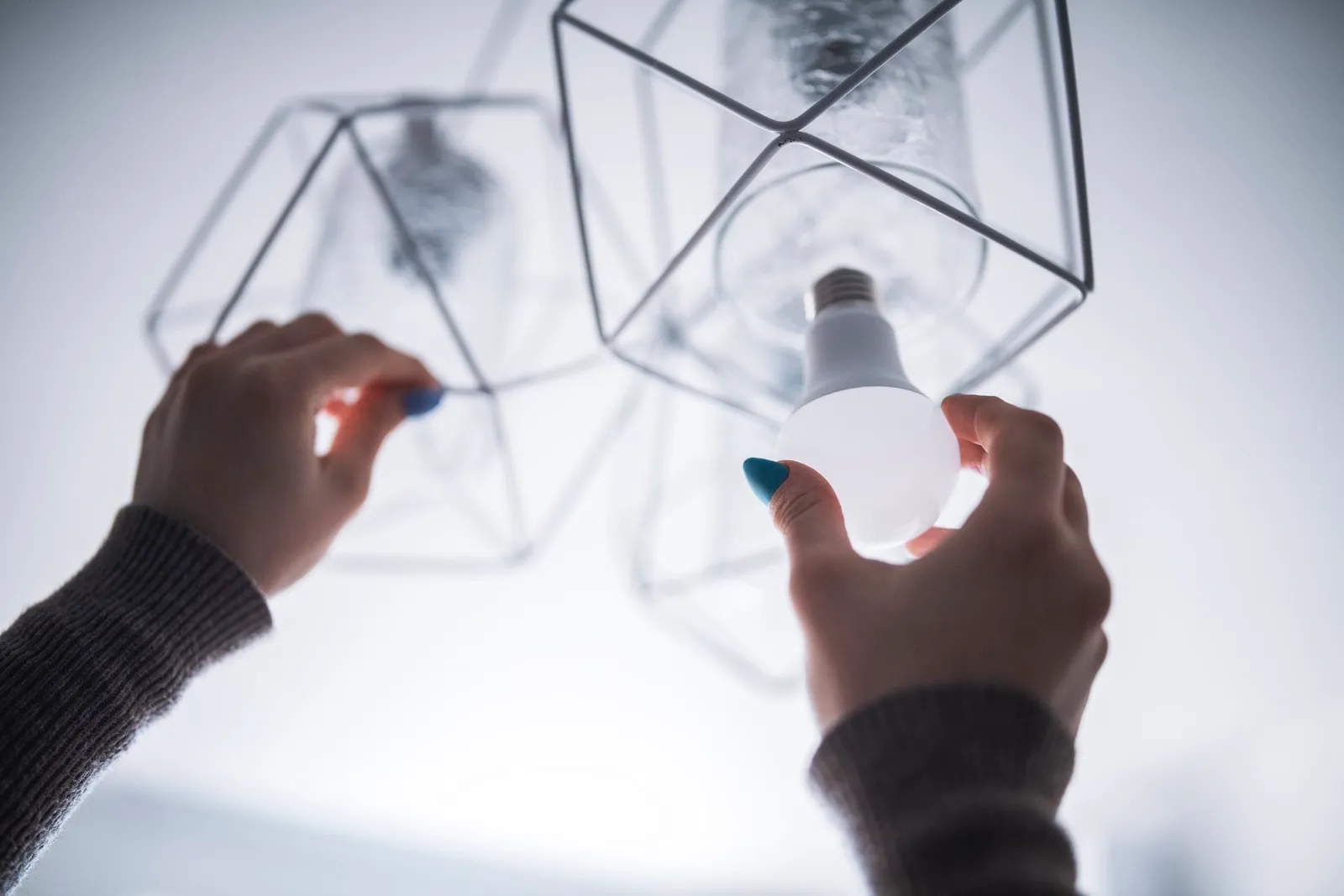
A home's appearance hinges heavily on its lighting. Even a flawlessly decorated property can feel off when a few basic lighting errors are made, for instance picking unsuitable bulbs or pairing fixtures that clash. Designers routinely rely on uncomplicated techniques you can borrow for your own space so that each room comes across as warm and welcoming.
Scale matters, and so do placement and even the color temperature of bulbs—each shapes how a home looks and feels. The same holds outdoors: backyards, front porches and walkways all benefit from thoughtful illumination.
Whether you host frequently or favor a quiet, snug atmosphere, lighting genuinely informs how well a space works, so it deserves more than a passing thought. Table lamps, accent lights and where fixtures are positioned can all serve as design anchors.
Below are ten easy techniques and lighting concepts you can put to use right away for a substantial upgrade across your home.
1. Establish a Focal Point
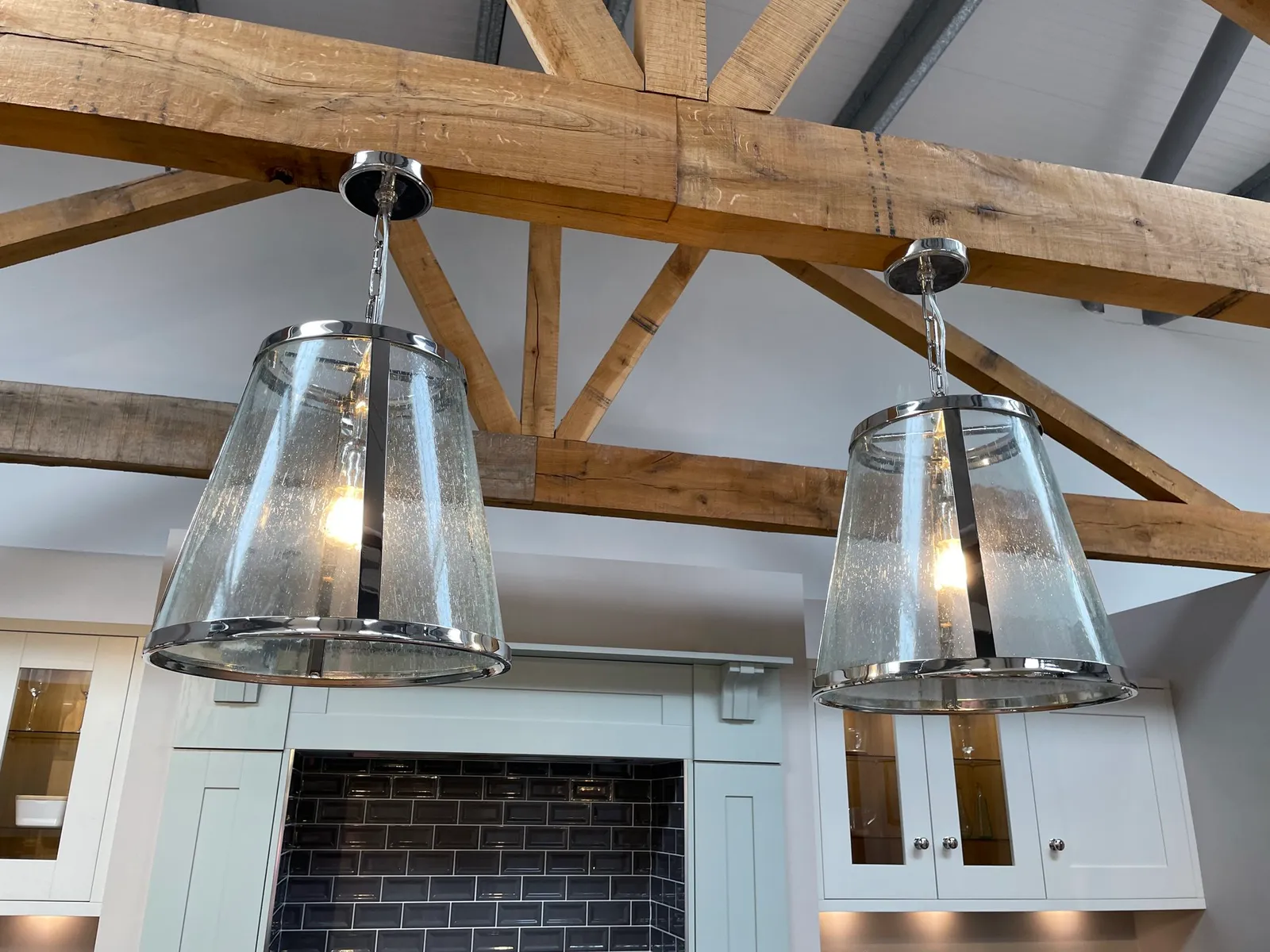
Pick a location in each room that should draw the eye—the first thing you notice upon entering. Set a striking, visually engaging fixture (or a pair) there. Because this fixture will be the biggest in the room, arrange the remaining elements around it.
Select the focal fixture first, then choose the room's other components so everything reads as cohesive. This approach works especially well in wide-open floor plans, helping distinguish the living, dining and kitchen zones from one another. Keep all other lighting in the space understated and clean so it doesn't fight with the focal fixture.
2. Put Lights on a Dimmer
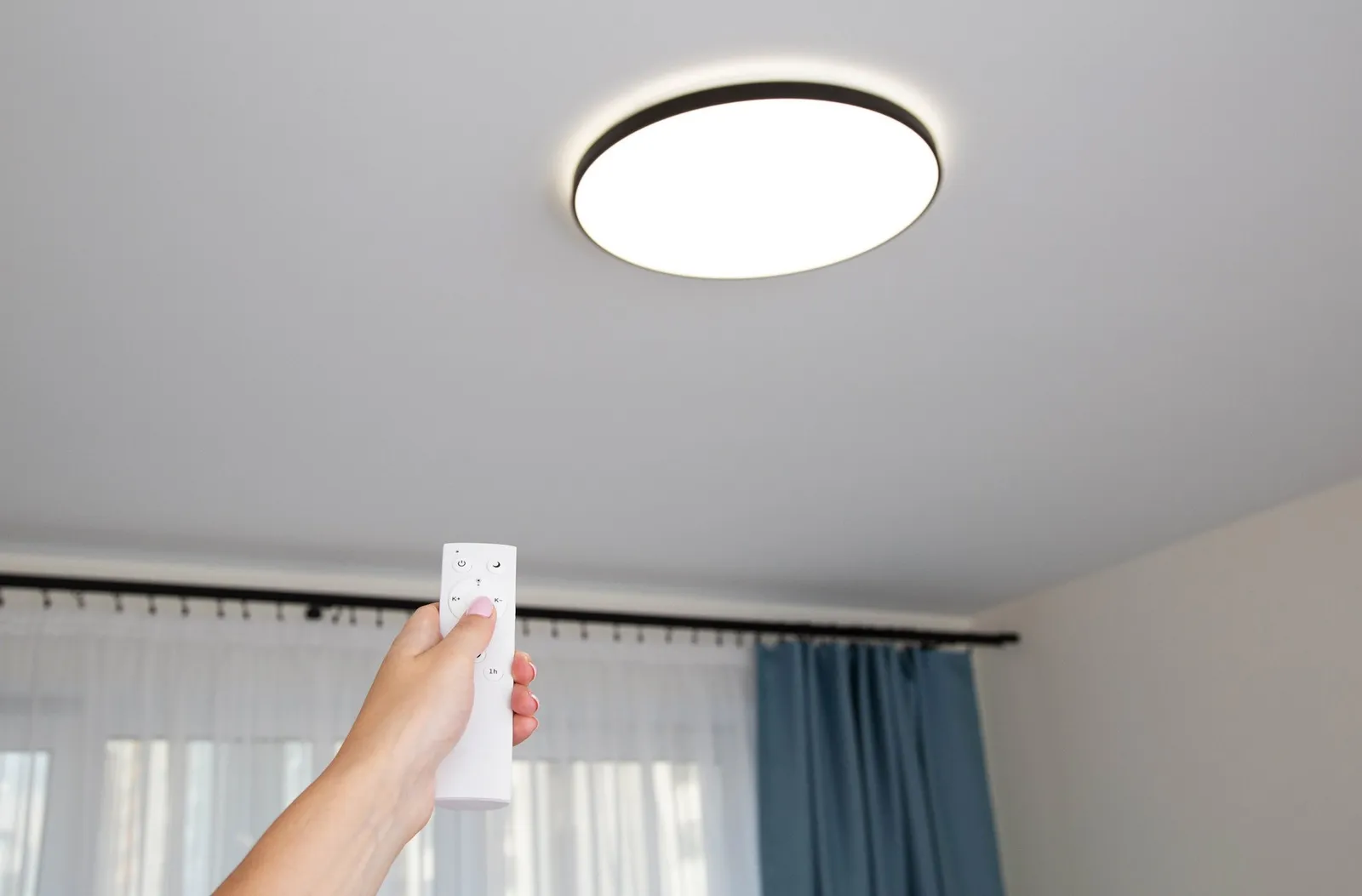
With a single press, mood lighting becomes instant. Wiring your lights to a dimmer switch is a straightforward way to give any setting a polished, sophisticated feel. It's most worthwhile in whichever room you entertain in most—a living room or den, say—since a dimmable source lets you match the light to every occasion.
You can handle this project yourself fairly easily, but if working with wiring isn't for you, bring in a licensed electrician. Either way, it tends to be a low-cost upgrade that returns value for years. Good mood lighting is hard to resist.
3. Rely on a Table Lamp for Ambient Light
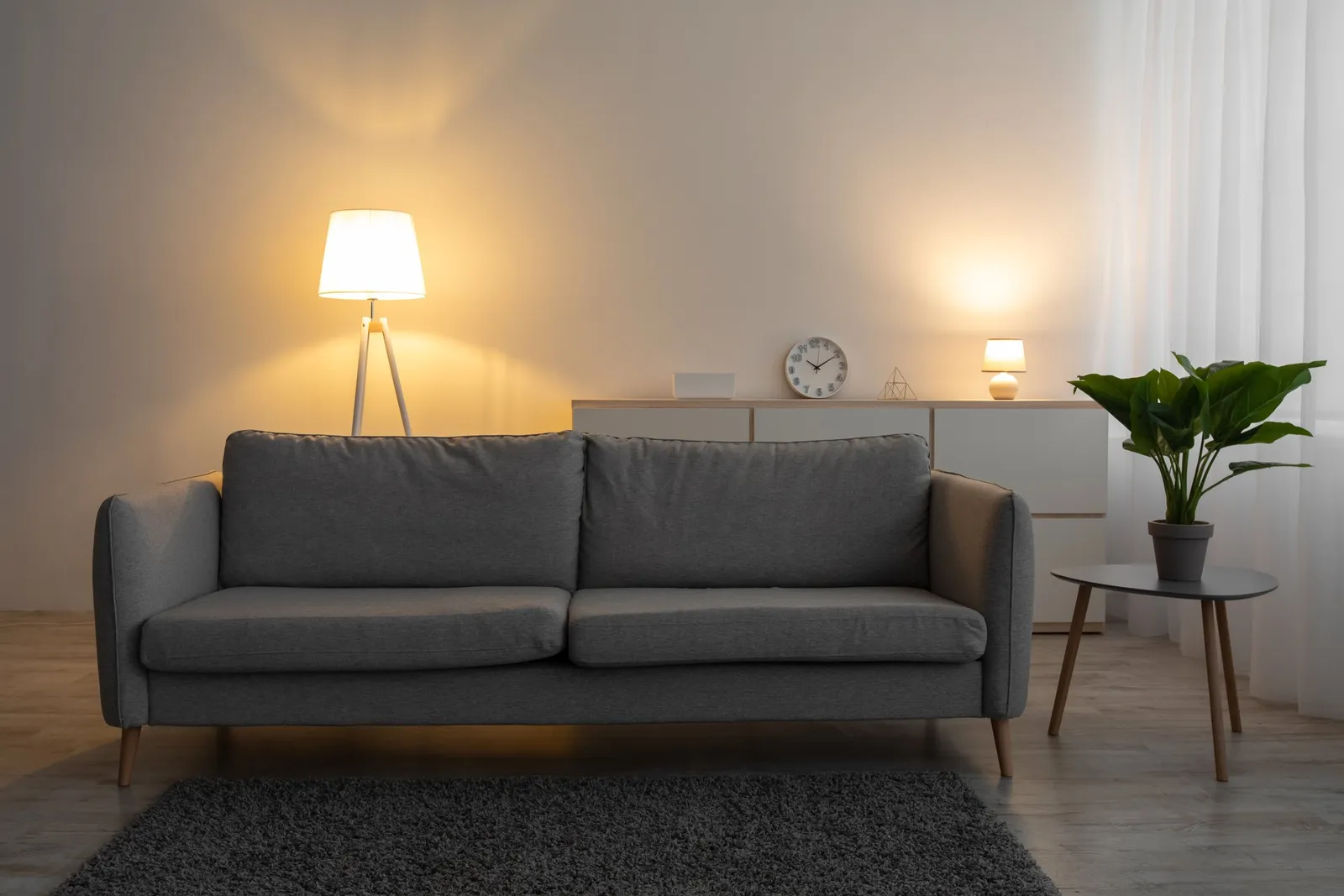
If installing a dimmer isn't feasible at the moment, well-placed table lamps can still deliver excellent ambient light. Put one lamp behind the seating area to cast a snug, intimate glow over your living space—ideal for gatherings and casual game nights.
A floor lamp in a room's corner can produce the same result, adding light without dazzling guests. Pay attention to the shade you pick: a lighter-colored shade lets more light through than a dark one. Try different shade colors and textures until you land on the one that suits the room best.
4. String Lights for the Patio
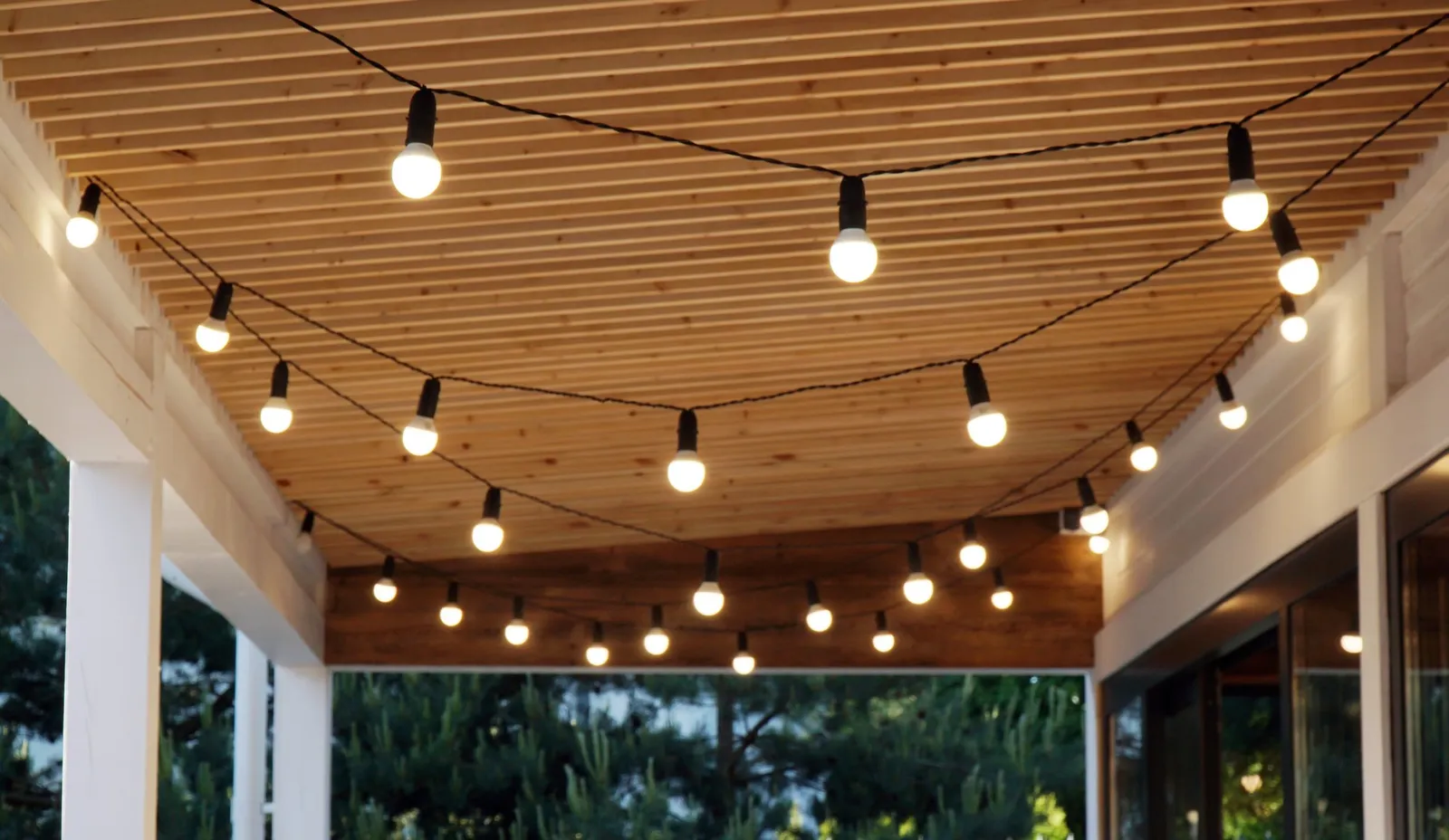
A single strand of lights can dramatically affect how an outdoor area feels. First, decide where the lights should go—along a porch, a fence or even in a yard tree. Pick the spot where you and your guests tend to congregate and hang the lights overhead.
Drape the strands in gentle, swooping curves for a relaxed glow that will have you inventing reasons to stay outside. If the lights hang lower than you'd like, add long wire pieces to help steady the cord's weight between bulbs. Small nails are sufficient to support the lights, keeping this a simple DIY job. Favor warm yellow bulbs over bright white ones to preserve a cozy, inviting atmosphere. You can go further still by adding a timer, so the mood is set regardless of timing. Then all that's left is to enjoy it.
5. Outdoor Spotlights
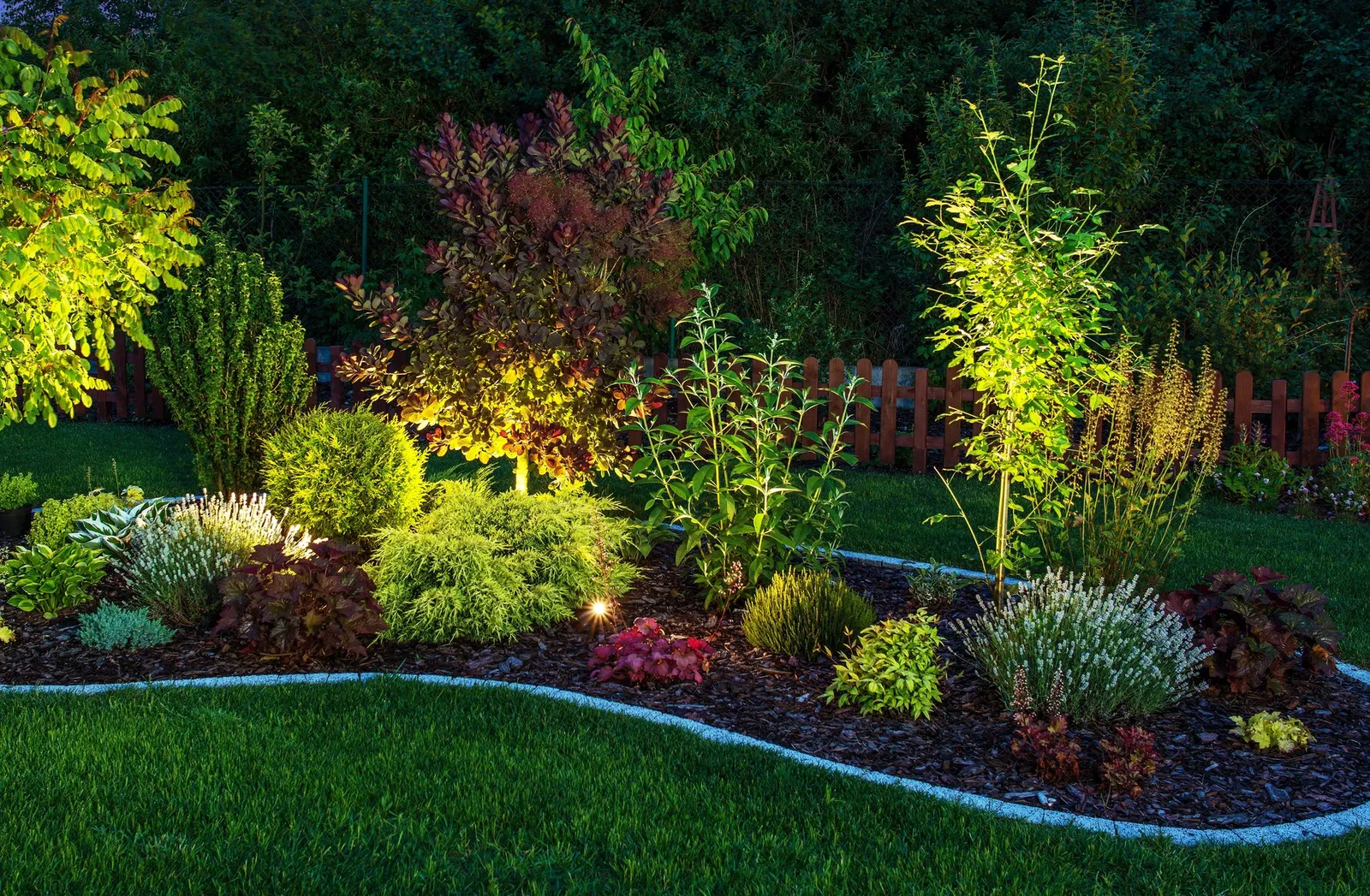
A couple of spotlights can make your landscaping stand out. Begin by placing a few near your biggest plants—trees, bushes or shrubs. Position them close to each plant's base and aim them upward. For a row of bushes or a large tree, you may need two or more spotlights.
If your yard receives abundant direct sun, solar-powered spotlights are worth considering so no cords are needed. Either way, the lights create dramatic shadows that elevate outdoor lighting by highlighting the landscaping and making the whole area look lush and engaging. Who knew a tree could look so good after dark?
6. Mind Scale When Picking Fixtures
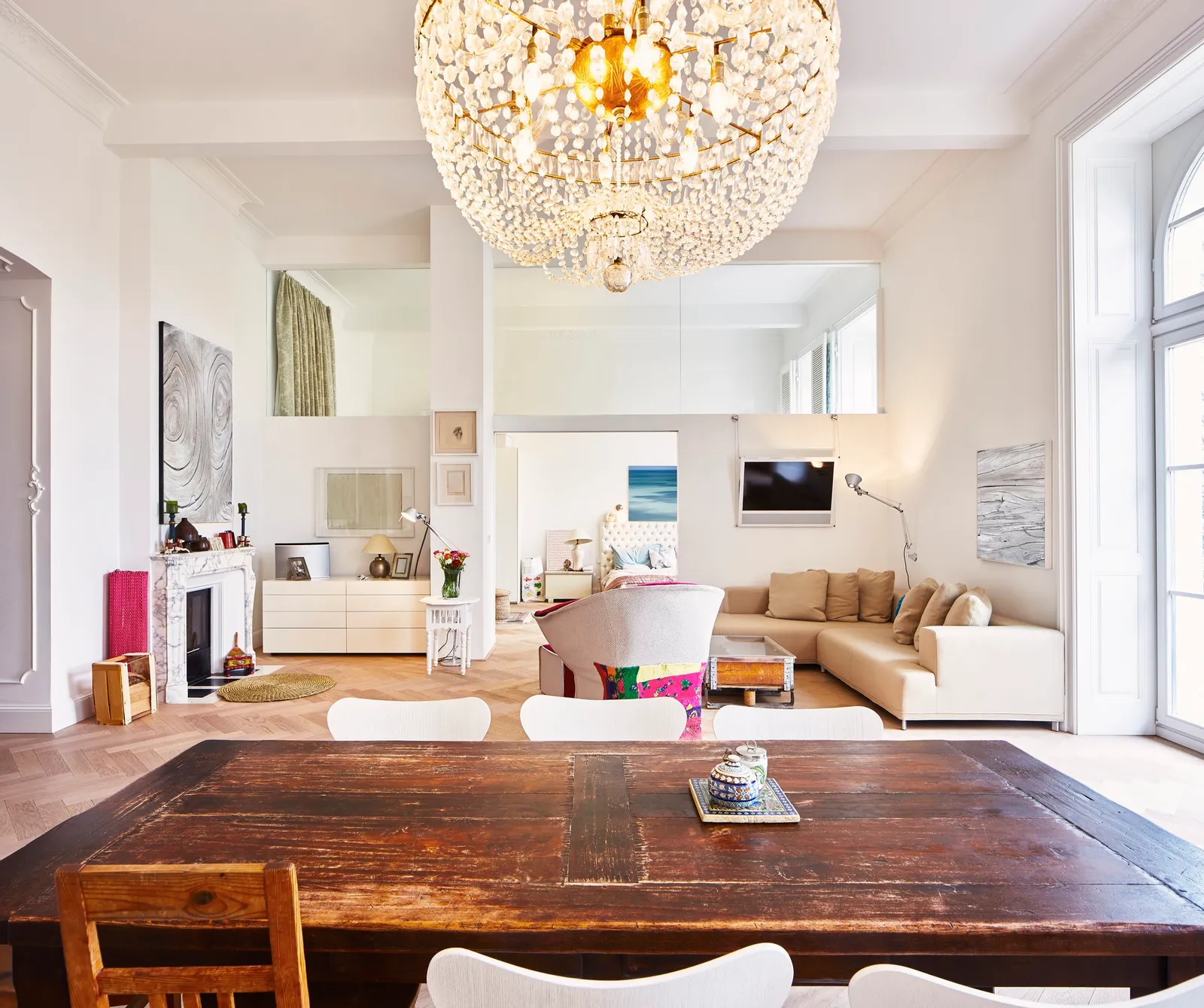
Paying attention to scale when choosing fixtures is one way to give a home the look of a top interior designer's work. In wide-open floor plans, a single large, dramatic fixture beats several smaller sconces and pendants. With high ceilings and ample open space, consider a bigger fixture that draws the eye—this is your chance to enjoy that large chandelier you've had your eye on. A larger piece helps define the space and establishes its design tone. Reserve smaller fixtures for cozier, more intimate spots such as bedrooms and home offices.
7. Strip Lights Around the Television
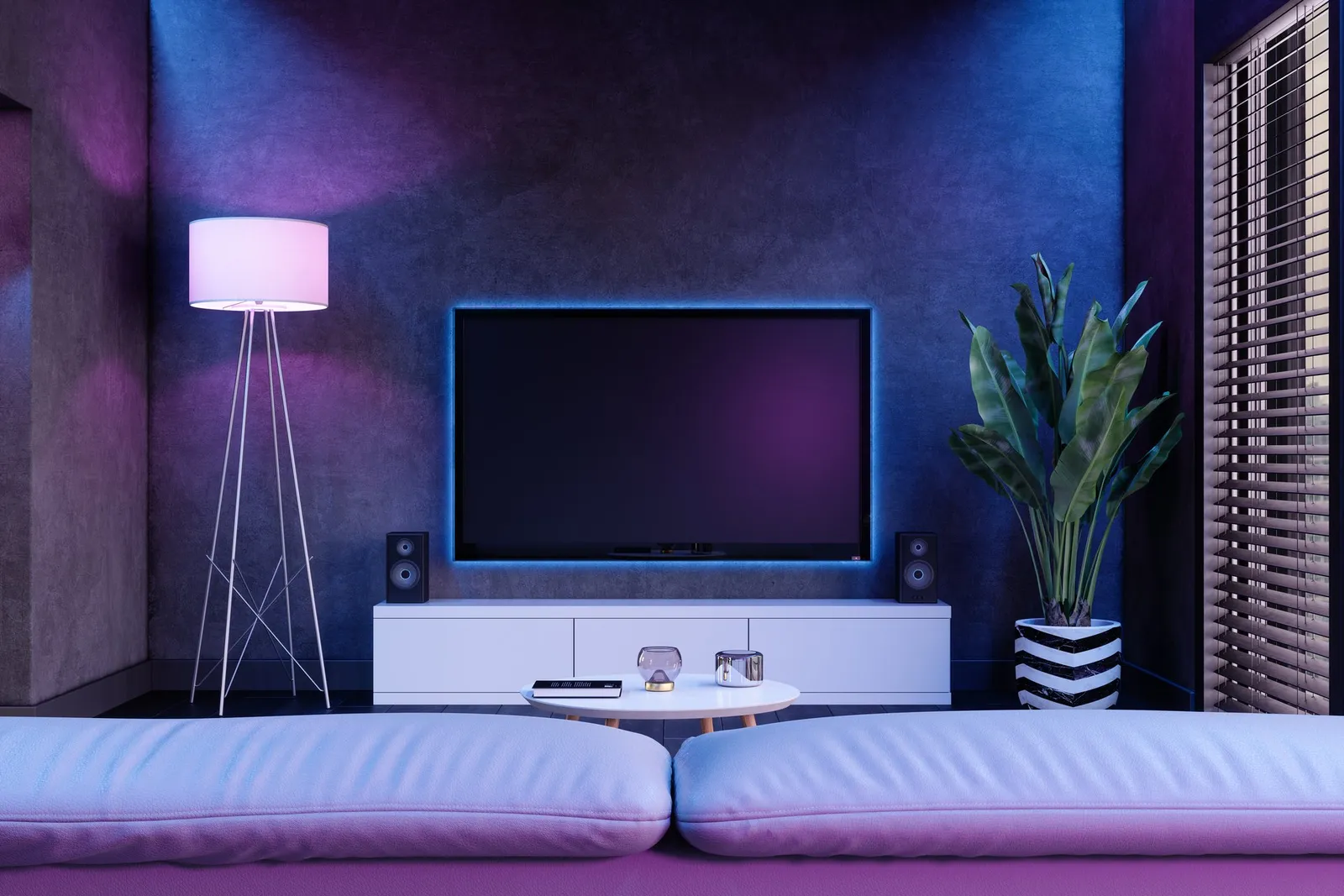
Enhance your home entertainment setup with a lighting strip. These affordable LED lights typically feature an adhesive backing that sticks to most surfaces. They can also be operated by remote, letting you switch color and pattern with a button press. Frame your television in this accent lighting so every movie night on the couch with guests feels cinematic.
8. Sconces Without an Electrician
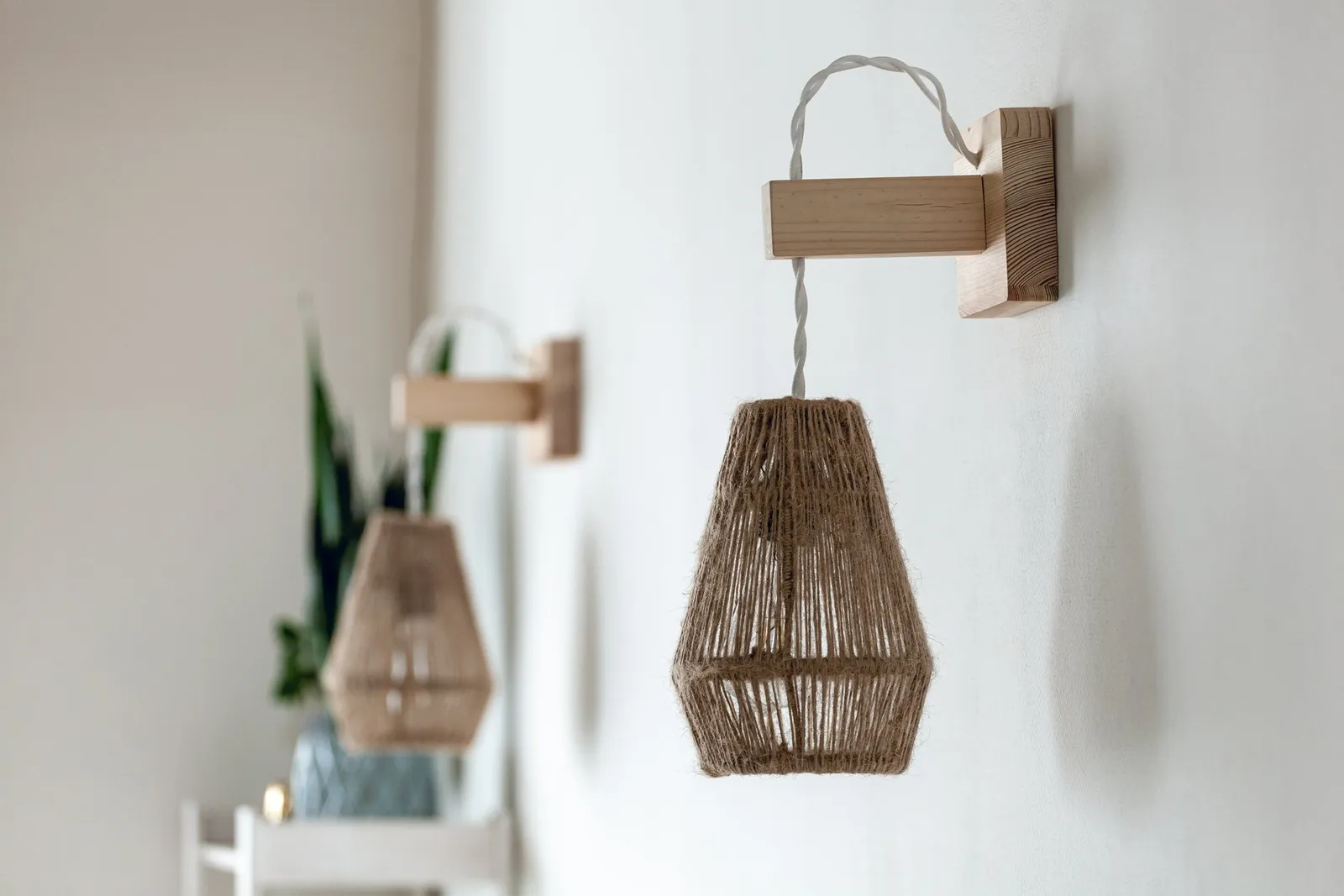
Eager to add wall sconces but reluctant to call an electrician for hard-wiring? Battery-powered lightbulbs let you have it both ways. You can mount the sconces as usual without extra hassle. Simply screw in the battery-powered bulb as you would a standard one, and you're done.
9. Pathway Lights
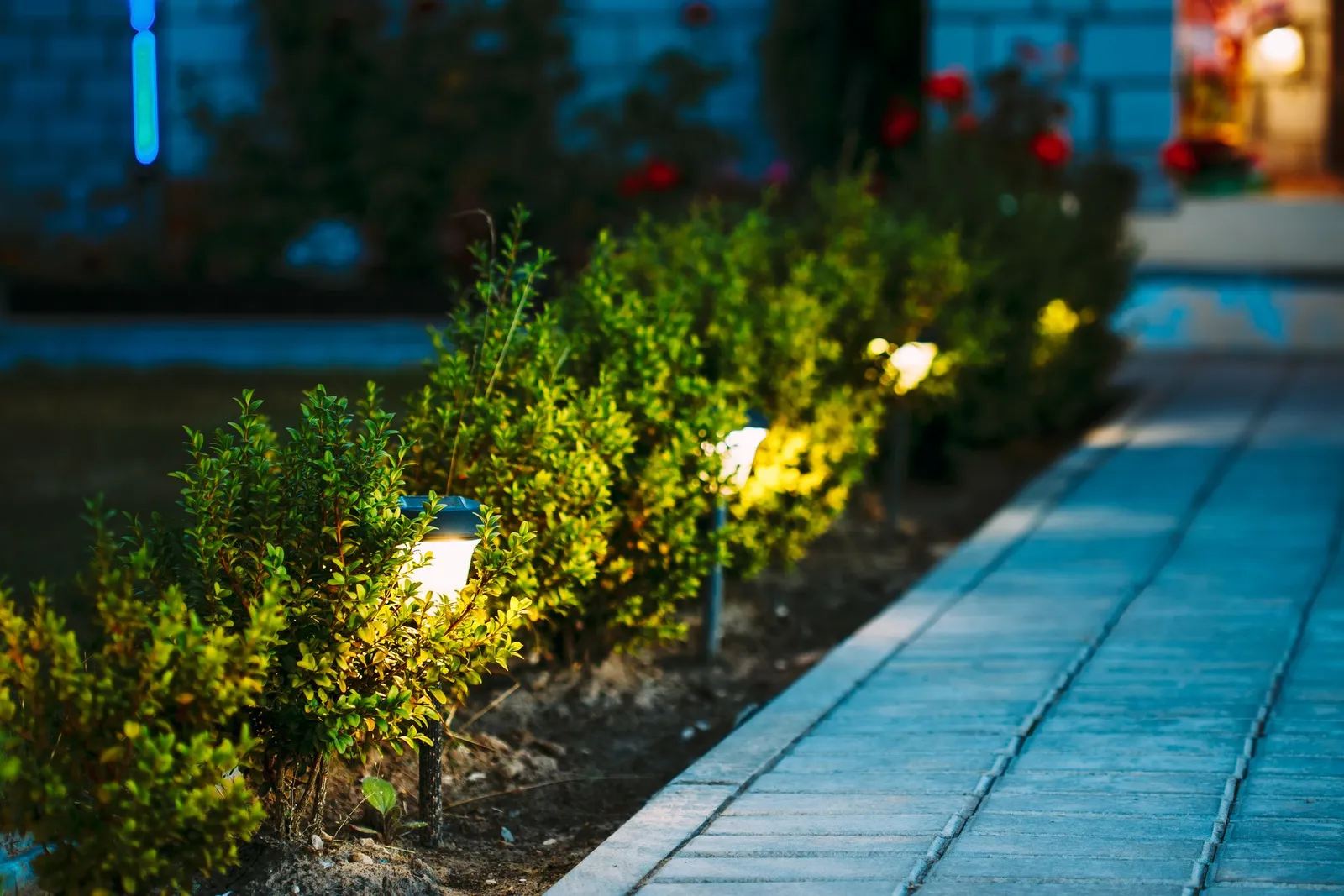
Illuminate the walkway to dress up your home's exterior with pathway lights. A solar-powered option makes installation simple. Beyond lighting the path, the fixtures cast shadows that make surrounding bushes and shrubs near your front steps look better. Step back and take in the new ambiance right outside your door.
10. Pick the Proper Lightbulbs
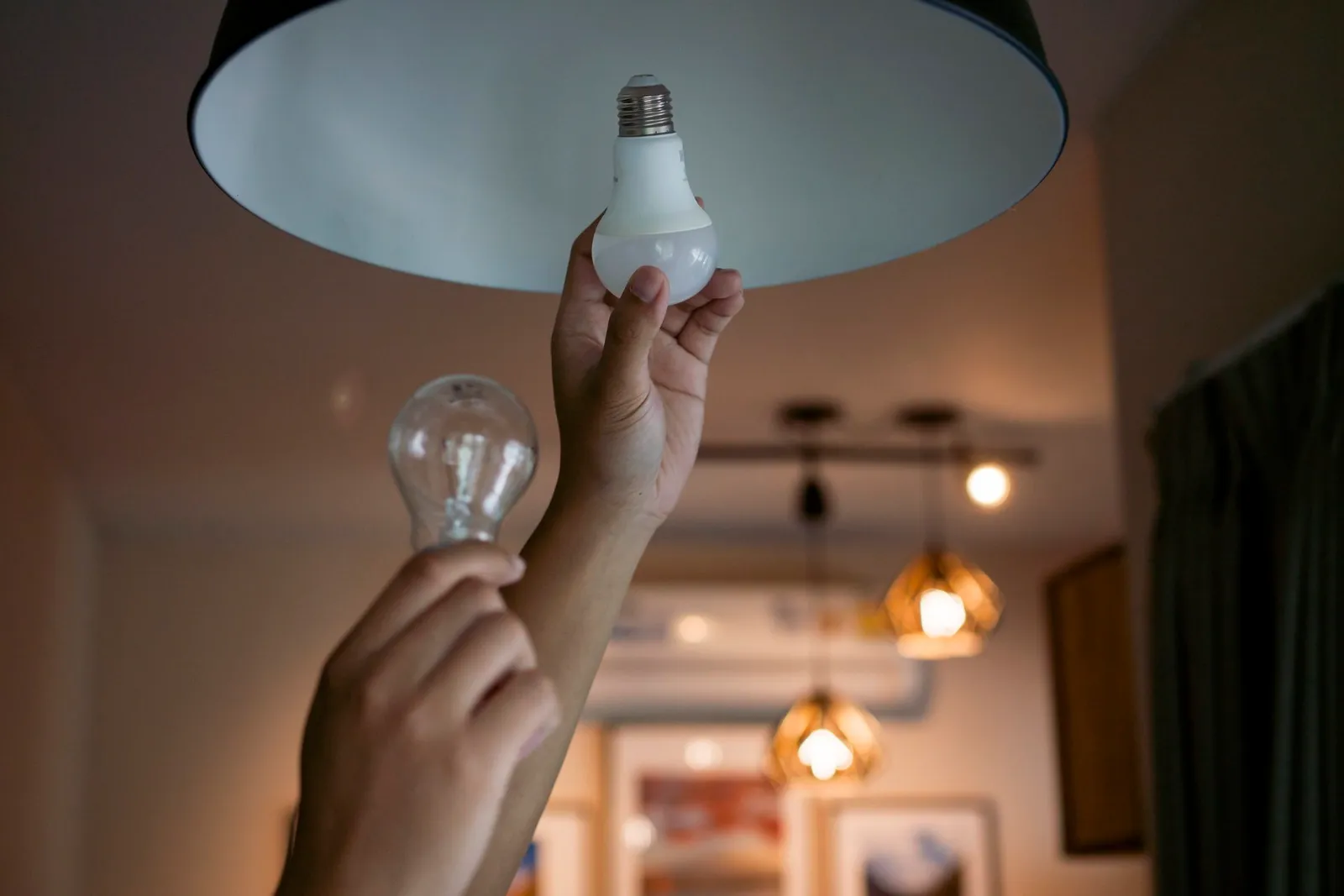
Using the right bulb for each area of the home is among the most important parts of lighting that makes a house resemble a designer showpiece. Packaging can overwhelm, with terms like "daylight," "bright light" and "natural light" sitting alongside words such as "soft" and "warm."
As a general guide, choose soft bulbs with a more yellow tone for intimate areas such as bedrooms and living rooms. Keep bright bulbs for places where clear visibility matters, like bathrooms and kitchens. Daylight bulbs sit in between and suit spots where a lot of reading happens, since the light stays bright while remaining easy on the eyes.