Combining Varnish and Paint for a Glossier, Harder Finish
Blending an oil-based paint with mixing varnish produces a coating that dries faster than varnish on its own yet carries extra shine and texture. Working in thin layers and sanding between them, with a 3:1:1 paint-to-varnish-to-thinner ratio, helps the surface cure properly.
By Elliot Walker4 steps
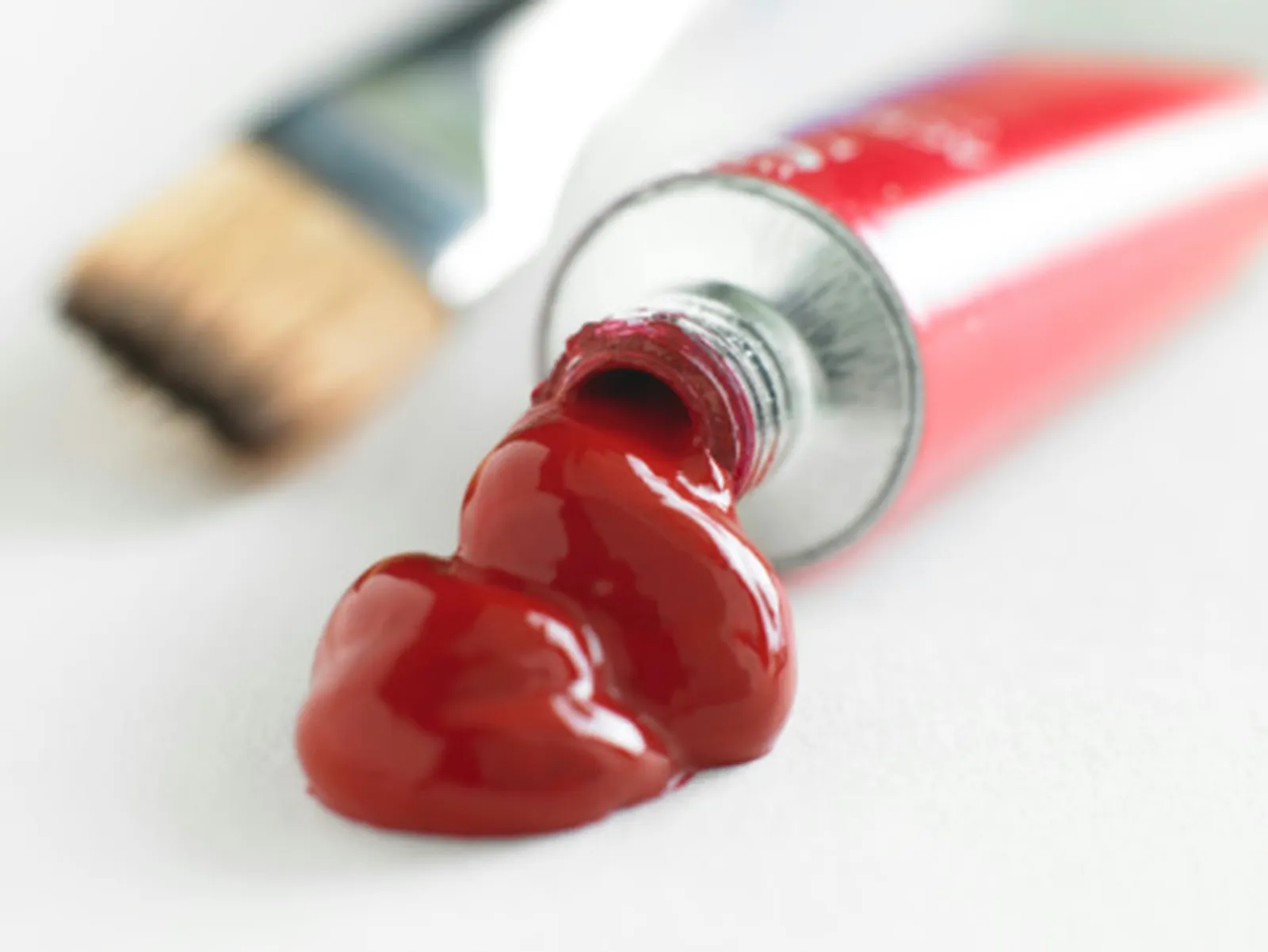
You can mix paint and varnish to achieve a variety of painting techniques.
For furniture, walls, or artwork, blending oil-based paint with varnish can shorten how long the finish needs to cure. The resulting mixture dries somewhat more slowly than paint used by itself. It also gives the paint a deeper sheen and a glossy feel. To keep the blend from turning tacky or lumpy, follow a set ratio of paint, varnish, and thinner, and let every layer dry completely before the next one goes on.
Step 1
Before you start painting, combine the paint and varnish in a container you can throw away. For a smooth, workable blend, use 1 part paint thinner, 3 parts paint, and 1 part varnish. Stir the components with a paint stirrer until they are evenly combined.
Step 2
Load a brush or roller with the mixture, then apply it to the surface in thin layers. Give each layer at least two hours of drying time before the next one is added.
Step 3
Between layers, go over the previous coat gently with fine-grit sandpaper. Use a damp cloth to wipe away leftover sanding dust. Build up three or four thin coats in total.
Step 4
Let the paint and varnish blend cure for two days before putting the object to use.